Many warehouse and factory managers struggle to choose between HVLS fans and traditional industrial fans.
Here is a clear comparison to understand why Marckeez HVLS fans deliver superior results.
Airflow Coverage
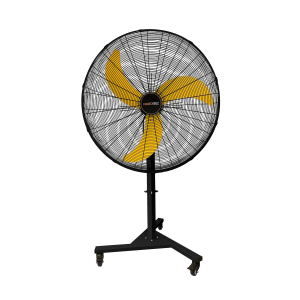
Traditional fans move air in a straight, narrow direction.
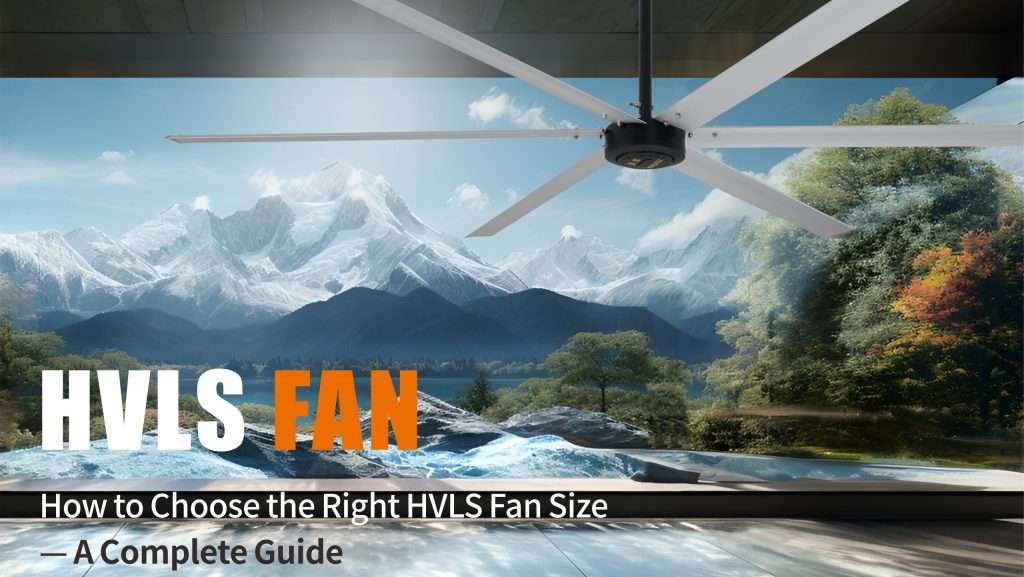
Marckeez HVLS fans move air in a 360° circulation pattern.
Coverage Comparison
Traditional fan: 20–40 m²
Marckeez MZ-730 (7.3 m): 1,700 m²
Energy Consumption
Traditional fans use many small motors, totaling high power usage.
A single Marckeez fan typically replaces 20–30 industrial fans.
Example:
30 traditional fans × 0.25 kW = 7.5 kW
Marckeez MZ-730 = only 1.2 kW
Comfort and Air Quality
Traditional fans create strong, noisy airflow in a single direction.
Marckeez HVLS fans create a gentle, even airflow across the entire space.
Benefits:
- Fewer hot zones
- Less humidity
- Better worker comfort
- Noise Level
Traditional fans: loud and disruptive
Marckeez PMSM HVLS fans: ≤45 dB ultra-quiet

Maintenance
Traditional fans require frequent bearing and motor service.
Marckeez PMSM motors require zero maintenance.
Conclusion
Traditional fans may appear cheap, but HVLS fans provide superior coverage, lower energy cost, and higher comfort.
Marckeez HVLS fans are the clear winner in long-term industrial ventilation.
Contact Us
Request a comparison tailored to your facility from Marckeez.